The Role of Pathology in Modern Diagnosis and Healthcare
Pathology is a critical branch of medical science that focuses on the study, diagnosis, and understanding of diseases. It plays an essential role in modern healthcare by providing accurate information about the causes and effects of illnesses, enabling doctors to make informed decisions regarding treatment and patient care. Without pathology, detecting diseases early and managing patient health effectively would be extremely challenging.
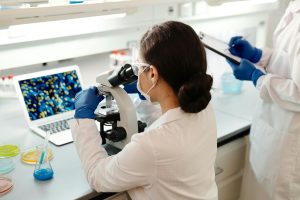
At its core, pathology involves examining tissues, organs, bodily fluids, and cells to identify abnormalities. Pathologists use sophisticated laboratory equipment, medical imaging, and advanced scientific methods to investigate disease patterns within the human body. Their detailed analysis provides vital evidence that helps guide surgeries, treatment plans, and medical interventions.
Pathology is divided into several key specialties. Histopathology, for example, involves studying tissue samples under a microscope to detect conditions such as cancer or inflammation. Cytopathology focuses on examining individual cells, often used in screening tests such as Pap smears to detect cervical cancer. Hematology pathology deals with blood-related disorders like anemia, leukemia, or clotting problems. Each specialty plays an important role in diagnosing both common and complex health conditions.
Another important branch is clinical pathology, which evaluates blood tests, urine analysis, and other body fluid samples to monitor organ function, detect infections, and assess biochemical imbalances. For instance, routine tests like blood glucose, cholesterol measurements, and liver function tests fall under clinical pathology. These diagnostic tools allow doctors to monitor chronic diseases such as diabetes, hypertension, and kidney disorders and take action before complications arise.
One of the most advanced areas of pathology today is molecular pathology, which combines genetics, DNA analysis, and molecular biology to identify diseases at the microscopic and genetic level. This field plays a crucial role in personalized medicine, where treatments are tailored according to the patient’s unique genetic profile. For example, targeted cancer therapies depend heavily on findings from molecular pathology to determine which medications will be most effective.
The importance of pathology extends beyond diagnostics. Pathologists also participate in medical research, helping develop new treatments and vaccines. During global health crises, such as the COVID-19 pandemic, pathologists played a key role in identifying the virus, studying its behavior, and assisting in vaccine development. Their work directly influences public health decisions and disease prevention strategies worldwide.
In hospitals and laboratories around the world, pathology is essential for providing timely and accurate results. Surgeons often rely on pathologists during operations to determine the extent of a disease and guide surgical procedures. Emergency physicians depend on rapid laboratory test results to save lives. From routine blood tests to complex biopsies, pathology supports nearly every medical specialty.
Conclusion
Pathology is the backbone of healthcare diagnostics, helping doctors understand what is happening inside the body and how to treat it effectively. By detecting diseases early, guiding treatment decisions, and supporting medical research, pathology plays an irreplaceable role in improving patient outcomes and advancing modern medicine. As technology continues to evolve, the field of pathology will further enhance precision, speed, and quality in healthcare delivery.